Mission Pitch Possible – A Custom eLearning Case Study on Career Pitches
Project Overview
Following the success of our Design Your CV case study, PRIMA OSEO Vaud asked us to create the second part of a trilogy. Mission Pitch Possible is a 40–50 minute custom eLearning course that helps job seekers craft a confident 90–120 second personal pitch they can use in interviews, networking events, or chance encounters.
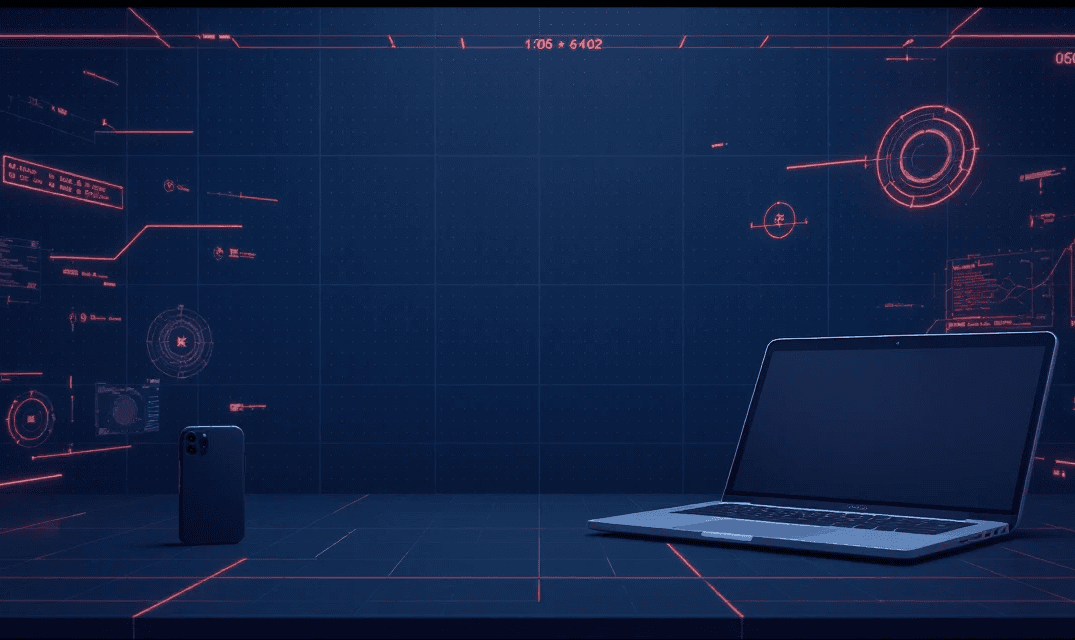
Learners step into a quiet HQ rather than a classroom. Sound, motion, progress, and coded interactions build an immersive learning experience where practice feels safe and focused. What begins as a tense “tell me about yourself” moment turns into a guided mission that builds skill, confidence, and muscle memory.
The Challenge
Even with a strong CV, many learners freeze when the conversation turns live. Some recite their work history; others ramble and lose the room. Coaches needed a modern resource to reinforce training between sessions. Learners wanted a place to practise without judgment, with feedback that feels immediate and kind. PRIMA OSEO had slide materials, yet they were ready for something more scalable, interactive, and LMS-ready that ran cleanly as a SCORM package.
Our Approach
We led the project as the instructional design team, guiding it from discovery to delivery. We began with working sessions with coaches and job seekers to understand where pitches break down, what emotions show up, and how the course would be used between coaching sessions. From those conversations, we defined a clear outcome: a speakable pitch of 90–120 seconds that adapts to context.
With the goal set, we shaped the journey. We wrote a course outline that moves from a calm briefing into three practice terrains and closes with a confident delivery. In parallel we created a mood board that set the visual and sonic world of the HQ: dark grid, restrained motion, soft scanner pings, and mechanical typing that introduces each mission brief. Once the tone felt right, we developed a full storyboard in French that mapped every screen, line of audio, and interaction, so the client could experience the flow before production.
We then built a working prototype to test pacing and usability. Early feedback guided small but important choices: how long a message stays on screen, when a sound should play, and how to keep the “agent” theme supportive rather than theatrical. After sign-off we produced the multimedia. Mission overlays were created in After Effects, narration was recorded and edited for warmth and clarity, and graphics were refined to match the HQ environment.
To deepen immersion we extended Rise 360 with HTML, CSS, and JavaScript. The progress bar truly reflects completion and feels like files unlocking. The background is persistent so the world never breaks between screens. Next and Continue controls glow on hover and play a gentle access-granted cue only when a step is complete. Typing effects with soft keystrokes bring instructions to life. Practice activities are coded to reconstruct an out-of-order pitch, reveal facets of the Diamant de la Communication, and time short responses.
All assets were assembled into the final build and reviewed through several passes with the client. We piloted the course with a small learner group, captured comments, and tuned wording, timings, and sound levels. The course was then packaged as SCORM and as a stand-alone HTML build and tested in the client’s LMS for tracking, bookmarking, media permissions, and certificate logic.
The Solution in Action
Learners badge into HQ and receive a short briefing on what makes a strong pitch and why it matters. A coded progress meter fills as each mission completes. Typing animations bring instructions onto the screen; the next button acknowledges progress with a soft access sound. The background grid and overlays keep the world intact from screen to screen.
Practice is the heart of the experience. Learners unlock the Diamant de la Communication by exploring seven facets of an effective pitch. They rebuild a scrambled pitch into a clean sequence. They compare three short pitches under a visible clock, choosing which are strategic and which need work. They write a 15-second networking answer, then refine it after feedback. Each activity is short and purposeful, so confidence grows step by step.
Production and Coding Craft
Rise 360 provided the base. Custom HTML, CSS, and JavaScript created the feel of a living HQ: a real progress bar, a persistent coded background, hover-aware navigation with subtle security sounds, and a typing component that introduces lessons with keystrokes. Video overlays and motion graphics were produced in After Effects; narration was edited in Audiate; all audio cues were balanced to guide attention without stealing it.
Results and Impact
Learners finished with a personal pitch practice skill that fits both the room and the clock, plus a structure they can adapt in real conversations. Coaches gained a reusable digital companion they can assign between sessions. PRIMA OSEO received a modern career skills training course that runs cleanly in the LMS and scales without adding hours to the coaching team.
Feedback highlighted the same theme: immersive details lowered anxiety and made practice something learners wanted to repeat.
Conclusion
Mission Pitch Possible built on the foundation of our first CV course, expanding the partnership with PRIMA OSEO into a trilogy of career skills training. This project demonstrated how instructional design, when paired with careful coding and storytelling, can transform a stressful task into an empowering mission.
For future clients, this project reflects the full logic and thinking I bring as an instructional designer: starting from the learner’s problem, mapping the journey, prototyping early, refining with feedback, and delivering an experience that is both technically robust and emotionally engaging.
👉 If you’d like to explore how a custom-coded eLearning experience could transform your learners’ skills, contact us.